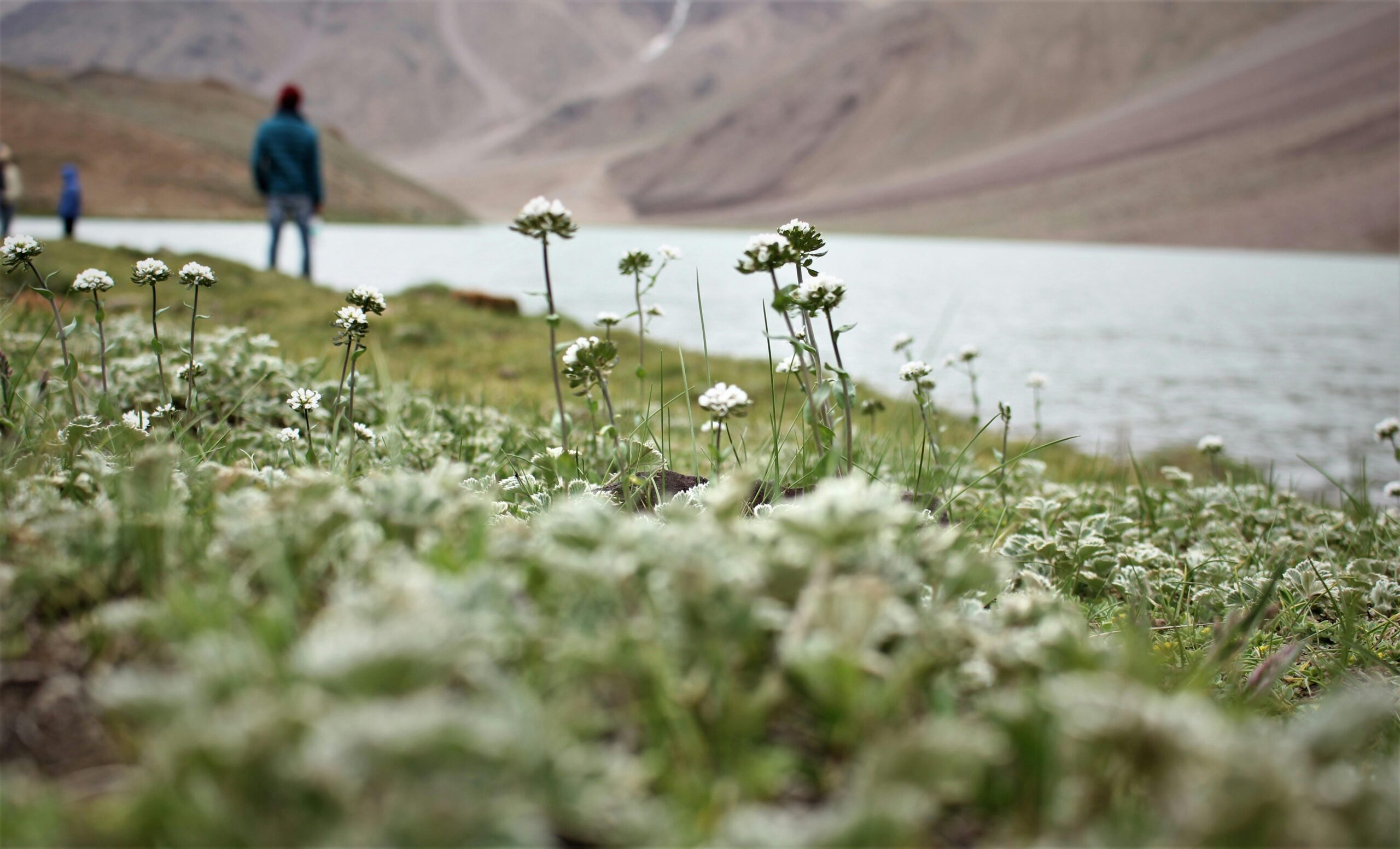
There is no dearth of destinations to travel to. Most people like travelling to different places on different occasions. I, on the contrary, do not mind revisiting places that appeal to my senses. When I say I am going to Spiti, some of my friends react in one word: “Again?”
As a traveller, when one frequently revisits a place, it invariably connotes a deeper connection. It indicates a strong association with certain aspects of geography or culture. In the last one and a half decade, I have visited Spiti six times and yet I am not bored of it. I can go there again and again.
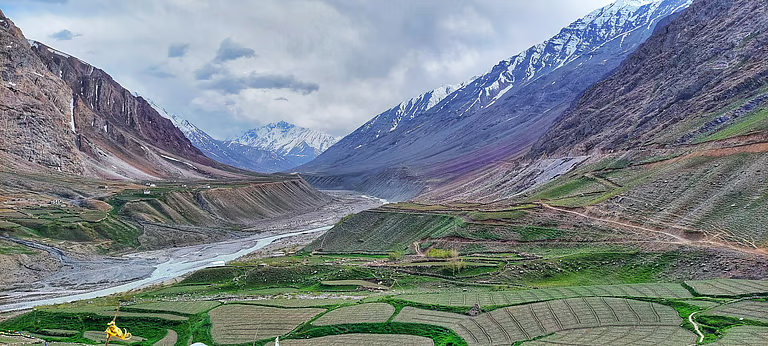
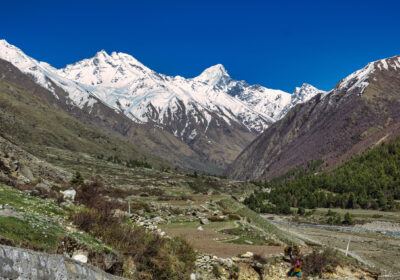
Romance and travel operate on a paradox. Irrespective of how you approach Spiti, it feels similar yet different. It is different not merely because of its geographical variations, but because things change each day, each hour, each minute. Those who are in love with the expansive barrenness of mountains know how moving clouds and their stark shadows alter the mood of the rough terrain throughout the day. The same stretch looks vastly different as lighting conditions and shadow-structures keep altering—all day.
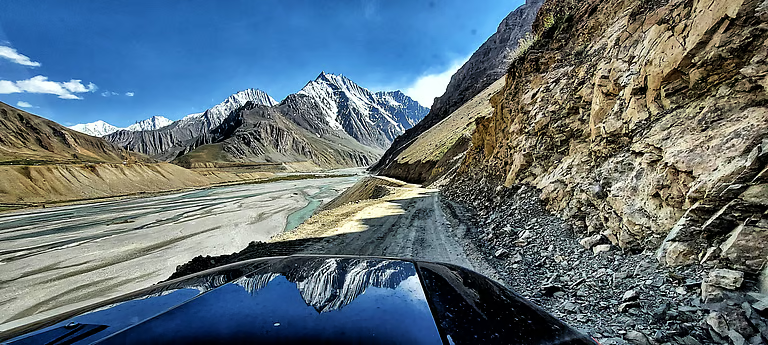
To be in Spiti or in Ladakh is to sense a series of perennial transformations and interplays. To do Spiti is to immerse oneself in an immense vastness and intense activity of nature.
It is live. It is cinematic. It is saturated. It is contrasting. It is sensual. And it is otherworldly.
Hence, I have always found it utterly meaningless to make Spiti destination-centric. Spiti is not about a specific point. In a narrative, usually there are protagonists and supporting casts. In Spiti, it is difficult to tell who holds the show. Is it the mountains, the cloud formations, their shadows, or the supreme source of light and energy—the Sun? Who are we to judge?
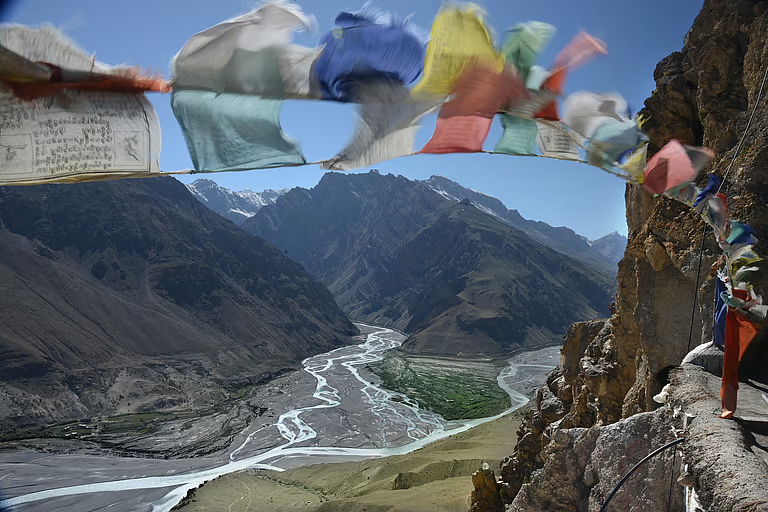
Spiti is all about stretches. I often keeping driving back and forth in these spectacular stretches between Nako and Chango; the confluence of Pin and Spiti seen from the climb to Dhankar Monastery; Kaza and Key; winding routes to Langza, Hikkim, Komic and Kibber; Kaza to Mud; Losar and Kaza; Losar and Chicham; the descent from Kunzum and the first vast view of the Spiti Valley.
Each time I have visited Spiti since 2011, the charm of these stretches has only intensified. I associate these stretches with certain unique and mesmerising geographical traits. I have explored them on public buses during my first visit and in hired taxis in the subsequent three visits, and in my Thar in the last two visits. The mode of transport definitely threw different kinds of hardships but it did not make much difference to the rugged beauty of the terrain.
In 2022, I drove to Spiti on my fifth visit. Recently, I completed my sixth visit in June this year. It was a different sensation altogether. Earlier, as a passenger, I used to wonder: how is it even possible to negotiate the terrain and its upheavals? While driving, one lives through the bumps, rolls through the turns and navigates the narrow margins. That is why, as a driver, I have always disliked invisible bonnets.
Spiti can be approached either from Shimla or Manali—though that happens to be a much longer route. Several tourists arriving from Shimla-Peo-Sangla halt in Nako, which is a high-altitude freshwater lake. One gets to view the first major barren vastness during the stretch that precedes Nako while climbing from Khab. Here, the river Sutlej meets the river Spiti, and there after it is a steep winding climb that gives one sudden sense of elevation, vastness and arid landscape. That glimpse magnifies into something grand in the stretch between Nako and Chango, as one sees the river Spiti meandering like a tiny turquoise ribbon amidst various shades of brown and ochre.